Protecting Wetlands: A Surfer's Responsibility
Wetlands are among the most vital ecosystems on our planet, serving as natural filters for water, habitats for diverse wildlife, and buffers against climate change. As surfers, we often find ourselves drawn to the beauty of coastal environments, but it is our responsibility to protect these precious ecosystems. This blog post explores the importance of wetlands, the threats they face, and how surfers can take action to safeguard them.
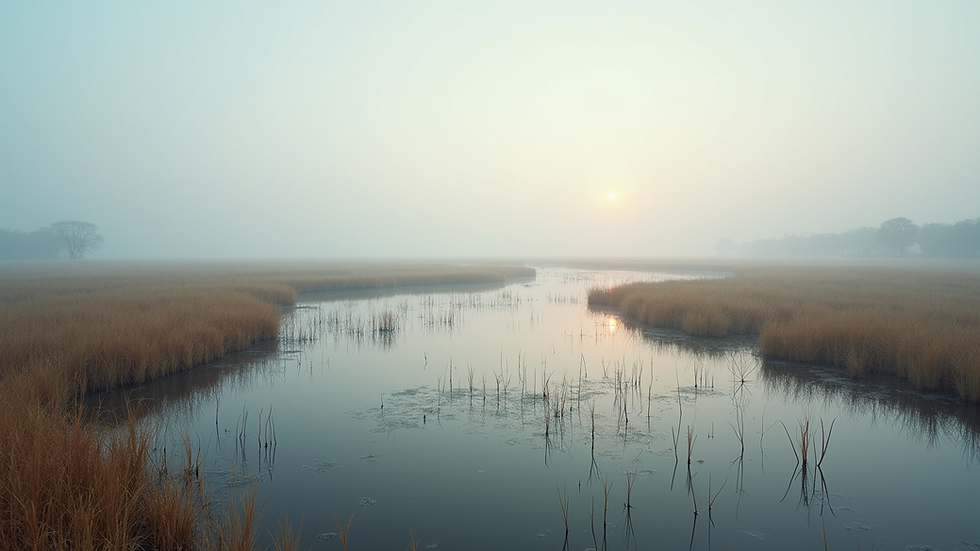
Understanding Wetlands
Wetlands are areas where water covers the soil or is present near the surface for part of the year. They can be freshwater, saltwater, or brackish and include marshes, swamps, and bogs. These ecosystems provide numerous benefits:
Water Filtration: Wetlands filter pollutants from water, improving water quality.
Flood Protection: They absorb excess rainwater, reducing the risk of flooding.
Biodiversity: Wetlands are home to a wide variety of plants and animals, many of which are endangered.
Carbon Storage: They sequester carbon, helping to mitigate climate change.
The Importance of Wetlands for Surfers
As surfers, we are intimately connected to the ocean and the coastal environments that surround it. Healthy wetlands contribute to clean water and vibrant marine ecosystems, which are essential for our sport. Here are a few reasons why protecting wetlands should matter to surfers:
Clean Water: Wetlands act as natural filters, removing pollutants before they reach the ocean. This leads to cleaner waves and healthier marine life.
Wildlife Habitat: Many fish species, including those we love to catch and see while surfing, rely on wetlands for breeding and feeding.
Coastal Resilience: Wetlands help protect coastlines from erosion and storm surges, ensuring that our favorite surf spots remain intact.
Threats to Wetlands
Despite their importance, wetlands are under threat from various human activities. Understanding these threats is crucial for surfers who want to take action. Some of the major threats include:
Urban Development: As cities expand, wetlands are often drained or filled to make way for buildings and roads.
Pollution: Runoff from agriculture, industry, and urban areas introduces harmful chemicals into wetlands, degrading their health.
Climate Change: Rising sea levels and changing weather patterns threaten the existence of many wetland areas.
Invasive Species: Non-native plants and animals can disrupt the delicate balance of wetland ecosystems.
The Role of Surfers in Wetland Conservation
Surfers have a unique opportunity to advocate for the protection of wetlands. Here are some practical steps we can take:
Educate Yourself and Others: Understanding the importance of wetlands is the first step. Share this knowledge with fellow surfers and the local community.
Participate in Clean-Up Events: Join or organize beach and wetland clean-up events to remove trash and debris that can harm these ecosystems.
Support Local Conservation Efforts: Many organizations work to protect wetlands. Consider volunteering your time or donating to these causes.
Advocate for Policy Change: Engage with local government and advocate for policies that protect wetlands from development and pollution.
Practice Responsible Surfing: Be mindful of your impact on the environment. Avoid littering and use eco-friendly products when surfing.
Case Studies of Successful Wetland Conservation
Several successful wetland conservation projects serve as inspiring examples for surfers and environmentalists alike. Here are a few notable cases:
The Everglades Restoration Project
The Everglades in Florida is one of the largest wetland ecosystems in the world. Over the years, extensive restoration efforts have been made to reverse the damage caused by urban development and agriculture. Surfers and water sports enthusiasts have played a crucial role in advocating for these efforts, emphasizing the importance of clean water and healthy ecosystems for recreational activities.
The San Francisco Bay Wetlands Restoration
In California, the San Francisco Bay has seen significant restoration of its wetlands. Community groups, including surfers, have come together to restore habitats and improve water quality. These efforts have led to a resurgence of wildlife and healthier waters for all water sports enthusiasts.
How to Get Involved
Getting involved in wetland conservation doesn't have to be overwhelming. Here are some simple ways to start making a difference:
Join Local Surf Clubs: Many surf clubs engage in environmental initiatives. Joining one can amplify your impact.
Attend Workshops and Events: Look for local workshops on wetland conservation and participate in discussions about protecting these ecosystems.
Use Social Media for Awareness: Share information about wetlands and conservation efforts on your social media platforms to raise awareness among your peers.
The Future of Wetlands and Surfing
The future of our oceans and surf spots is closely tied to the health of wetlands. By taking action to protect these ecosystems, surfers can ensure that future generations will enjoy the same beautiful waves and vibrant marine life that we do today.
Conclusion
As surfers, we have a responsibility to protect the environments we cherish. Wetlands are essential for clean water, biodiversity, and coastal resilience. By educating ourselves, advocating for policy changes, and participating in conservation efforts, we can make a significant impact. Let’s ride the wave of change and protect our wetlands for the future of surfing and the planet.
Call to Action
Take a moment to reflect on your connection to the ocean and the wetlands that support it. Consider how you can contribute to their protection. Whether it's through clean-up events, advocacy, or simply spreading awareness, every action counts. Together, we can ensure that our surf spots remain pristine and vibrant for generations to come.

Comments