top of page
Search

Join Us: Volunteer for Wetland Preservation Today

Wetlands are vital ecosystems that provide numerous benefits to our environment and communities. They serve as natural water filters, protect against flooding, and support a diverse range of wildlife. However, these precious areas are under threat from urban development, pollution, and climate change. This is where you come in. By volunteering for wetland preservation, you can make a significant impact on the health of our planet and the well-being of future generations.


The Importance of Wetlands


Wetlands are often referred to as the "kidneys of the Earth" due to their ability to filter pollutants and improve water quality. They play a crucial role in:


  • Biodiversity: Wetlands are home to a wide variety of plants and animals, many of which are endangered or threatened. They provide essential habitat for fish, birds, amphibians, and other wildlife.

  • Flood Control: Wetlands absorb excess rainwater, reducing the risk of flooding in surrounding areas. This natural sponge effect helps to mitigate the impacts of heavy rainfall and storm surges.

  • Carbon Sequestration: Wetlands store carbon dioxide, helping to combat climate change. By preserving these areas, we can reduce greenhouse gas emissions and promote a healthier atmosphere.


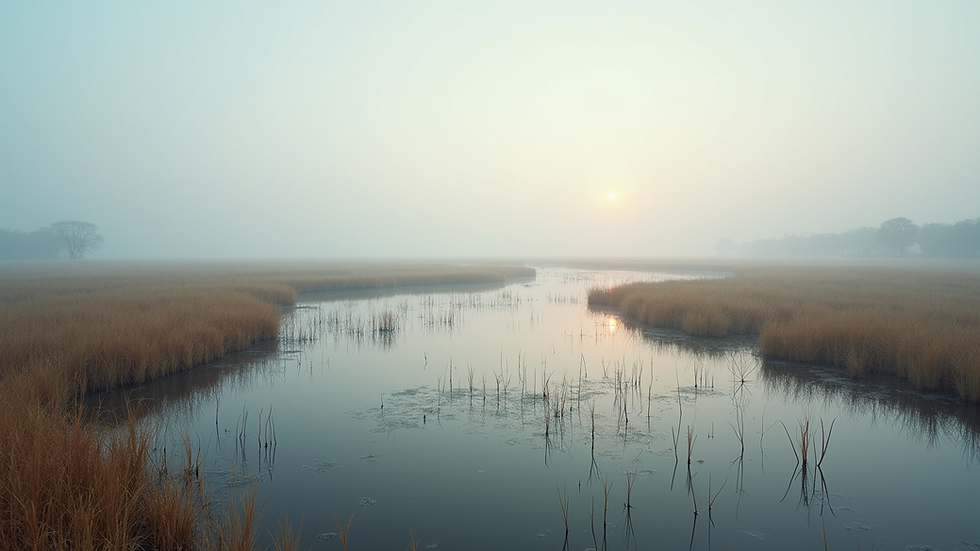
Eye-level view of a lush wetland area with diverse vegetation

Why Volunteer for Wetland Preservation?


Volunteering for wetland preservation offers a unique opportunity to connect with nature and contribute to a cause that matters. Here are some compelling reasons to get involved:


Make a Difference


Every small action counts. By volunteering, you can help restore and protect wetlands in your community. Whether it's planting native vegetation, removing invasive species, or participating in clean-up events, your efforts will have a lasting impact.


Learn and Grow


Volunteering provides a chance to learn about wetland ecosystems and the challenges they face. You'll gain valuable knowledge about environmental conservation, ecology, and sustainability. This experience can also enhance your skills and resume, making you a more competitive candidate in the job market.


Connect with Like-Minded Individuals


Joining a volunteer group allows you to meet others who share your passion for the environment. You'll build friendships and connections with people who care about wetland preservation just as much as you do. Together, you can inspire each other and create a stronger community.


Enjoy the Great Outdoors


Volunteering often takes place in beautiful natural settings. You'll have the chance to explore wetlands, observe wildlife, and enjoy the fresh air. This connection to nature can be rejuvenating and fulfilling, providing a much-needed break from the hustle and bustle of daily life.


How to Get Involved


Getting involved in wetland preservation is easier than you might think. Here are some steps to help you get started:


Research Local Organizations


Many non-profit organizations and community groups focus on wetland conservation. Start by researching local organizations in your area. Look for groups that align with your values and interests. Some well-known organizations include:


  • The Nature Conservancy

  • Wetlands International

  • National Audubon Society


Attend Volunteer Events


Once you've identified a few organizations, check their websites or social media pages for upcoming volunteer events. Many groups host regular clean-ups, restoration projects, and educational workshops. Participating in these events is a great way to get your feet wet (literally!) and meet other volunteers.


Spread the Word


Encourage friends and family to join you in your volunteer efforts. The more people involved, the greater the impact. Share your experiences on social media or host informational sessions to raise awareness about the importance of wetland preservation.


Advocate for Policy Change


In addition to hands-on volunteering, consider advocating for policies that protect wetlands. This can include writing to local representatives, participating in public meetings, or joining campaigns that promote wetland conservation. Your voice matters, and collective action can lead to meaningful change.


Success Stories in Wetland Preservation


To inspire you further, here are a few success stories from around the world that highlight the positive impact of wetland preservation efforts:


The Everglades Restoration Project


The Everglades in Florida is one of the largest wetland ecosystems in the United States. Over the years, extensive restoration efforts have been made to reverse the damage caused by urban development and agriculture. Volunteers have played a crucial role in planting native vegetation, removing invasive species, and monitoring wildlife populations. As a result, the Everglades are slowly recovering, providing habitat for endangered species like the Florida panther and the American crocodile.


The Great Lakes Coastal Wetlands Initiative


In the Great Lakes region, a collaborative effort among various organizations aims to restore coastal wetlands that have been degraded by pollution and development. Volunteers have participated in planting native species, removing debris, and conducting water quality assessments. These efforts have led to improved water quality and increased biodiversity in the area, benefiting both wildlife and local communities.


The Thames River Restoration


In the UK, volunteers have come together to restore wetlands along the Thames River. Through clean-up events and habitat restoration projects, they have successfully improved water quality and enhanced biodiversity. This initiative has not only benefited the environment but has also fostered a sense of community pride and connection to the river.


The Future of Wetland Preservation


As climate change continues to pose challenges to our planet, the importance of wetland preservation will only grow. By volunteering today, you can help ensure that these vital ecosystems are protected for future generations.


The Role of Technology


Advancements in technology are also playing a significant role in wetland conservation. Drones, remote sensing, and data analytics are being used to monitor wetland health, track changes over time, and inform restoration efforts. By embracing these tools, volunteers can contribute to more effective and efficient conservation strategies.


Engaging Youth in Conservation


Involving young people in wetland preservation is essential for the future of these ecosystems. Educational programs and hands-on volunteering opportunities can inspire the next generation to become stewards of the environment. By fostering a love for nature in youth, we can ensure that wetland conservation remains a priority for years to come.


Take Action Today


Now that you understand the importance of wetland preservation and the benefits of volunteering, it's time to take action. Here are some steps you can take today:


  1. Research: Look for local organizations focused on wetland preservation.

  2. Volunteer: Sign up for an upcoming event or project.

  3. Spread Awareness: Share your passion for wetland conservation with others.

  4. Advocate: Get involved in policy discussions and support conservation initiatives.


By joining the movement for wetland preservation, you can make a meaningful difference in your community and the world. Together, we can protect these vital ecosystems and ensure a healthier planet for future generations.


Final Thoughts


Wetlands are irreplaceable resources that require our attention and care. Volunteering for wetland preservation is not just an opportunity to give back; it is a chance to be part of something larger than ourselves. As we face environmental challenges, your involvement can help create a sustainable future. Join us today and be a part of the solution. Your efforts will not only benefit the environment but will also enrich your life in ways you may not have imagined.


Let’s work together to protect our wetlands and the incredible biodiversity they support. The time to act is now.


Comments


bottom of page